We continue our series on fulfilling your Decluttering New Year’s Resolutions by looking at ways to create more space in your garage. If your New Year’s Resolution is to declutter your home, your garage can often be a catchall for clutter and is a great place to tackle. We applaud you if you are still on track with your New Year’s Resolutions as we are three months into 2026.
Whether you hire us to work with you directly in your home or read our blog advice (or both), we are here for you. If you are interested in professional organizing, contact us for a consultation. We offer a variety of services at different levels to suit your needs.
Fifteen Areas of Your Garage to Declutter Right Now:
1. Sports Equipment
Garages are filled with lots of sports equipment that may not have been touched in years. If you have kids who participate in organized sports (or used to), you also know quickly they outgrow their athletic gear.
Consider donating used sports gear that is still in good shape to benefit a charity or parents who cannot afford new gear for their kids.
2. Paint
Most garages probably contain some unused, partially used, or empty paint cans. Saving a can of leftover paint for touchups after a painting project is a good idea, but only if the paint is stored in optimal temperature conditions.
Unless your garage is climate-controlled, paint won’t keep very well over long periods. Take cans of unusable paint to a hazardous waste disposal facility. If you have paint that is still usable, schools and community organizations may accept it as a donation.
3. Cardboard
Old cardboard is commonly found in messy garages. Maybe it’s old boxes from online orders or electronics purchases. Some people hold onto moving boxes for years.
There is no reason to keep moving boxes.
Space taken up by cardboard could be put to better use. Also, pests are attracted to cardboard and moisture causes cardboard to deteriorate.You can easily source boxes when the need arises.
4. Books and Magazines
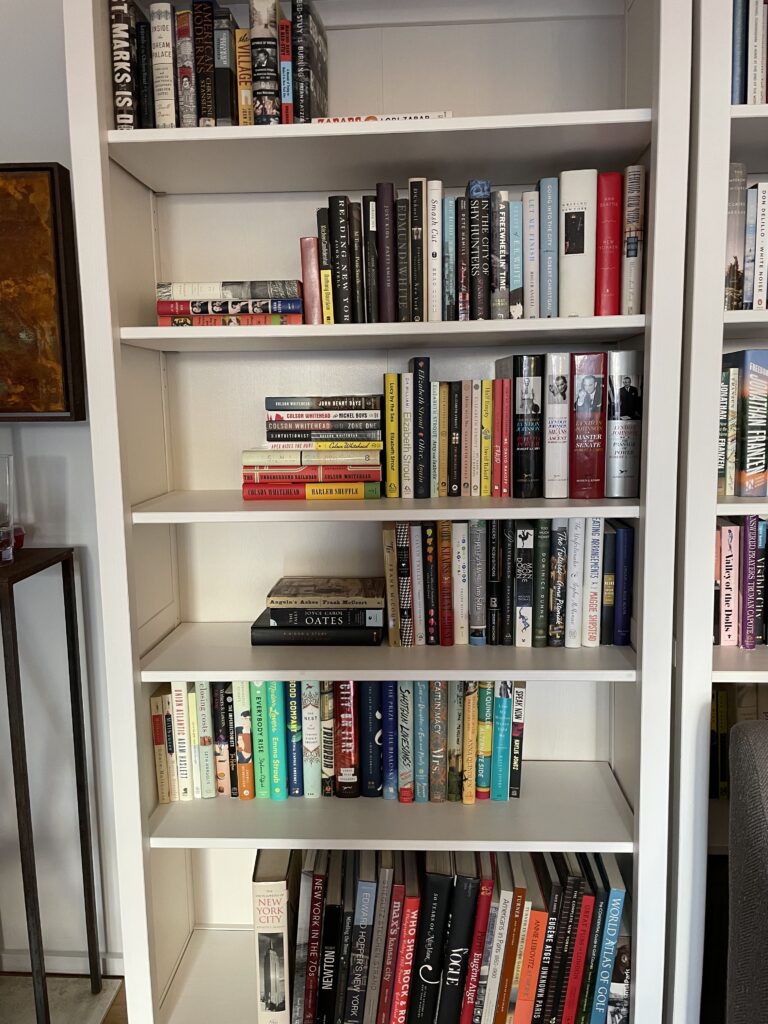
Like cardboard, any paper-based items being stored in the garage such as books, newspapers, magazines, photos, board games, and documents like old invoices and tax returns become a magnet for rodents and insects.
Keeping these things stored in airtight plastic storage bins will help, but it’s not a good idea to store any paper-related products in the garage for a long time. Excess paper can be a fire hazard as well.
Lighten your garage’s storage load by donating the books and filling up your recycling bin every week until your paper clutter is gone.
5. Tools
Broken and rusty tools have no business taking up space in your garage and you’ve probably replaced those with something newer. Keeping those old tools around only makes your garage more disorganized and harder to find the tools you actually use.
6. Tires
Old car, truck, and bike tires often end up on the floor in the corner of a garage. Tires can be recycled into many different things such as rubberized asphalt, steel goods, mulch, carpeting and fuel.
Tires will degrade over time, so it’s safest to get rid of them instead of using a potentially dangerous item. Bring your old tires to your local waste recycling center or to a tire retailer.
7. Exercise Equipment
The garage is a great home fitness space if you work out regularly. But if your garage is storing exercise equipment that hasn’t been used in years, that space could be put to better use.
Moisture in the garage can take a toll on different types of fitness machines and equipment. Metal parts may rust. Temperature fluctuations cause equipment to expand and contract. Lack of use often leads to performance issues with anything that has a lot of moving parts like a treadmill.
8. Building Materials
Keeping a few extra pieces of scrap wood around for a home repair or some extra paver stones to replace damaged ones can save you a trip to the home improvement store. However, the problem is for far more leftover building material products than needed get stored.
Whether it’s leftovers from a remodel or a hobby project whose progress hit a brick wall, a garage declutter is a great opportunity to toss those building materials you’ll never use.
9. Hazardous Waste
It’s estimated that the average garage contains approximately 100 pounds of hazardous waste such as stains, varnishes, caulking tubes, car cleaning products, garden fertilizers, and household cleaners. Most of these items have a shelf life of only a few years. Keeping chemicals and hazardous products stored for long periods in environments where temperature conditions aren’t optimal makes them less effective when used. Date these items when you purchase them to keep track of their usefulness and be sure to store them out of reach of children.
10. Furniture
Discarded furniture takes up more storage space than it should.
If you planned to reupholster or restain one of your pieces and were unable to find the time, they may be beyond repair. Furnishings that weren’t properly covered will have years of dust, dirt, grime, and absorbed car fumes for you to contend with. Wood furniture attracts those pests and will warp in damp environments.
Get rid of anything damaged and don’t forget to toss out any pieces of old patio furniture that have seen better days.
11. Appliances, Electronics, and Media
Outdated media and the devices to play them on may be stored in your garage. Now is the time to finally ditch all of those obsolete electronics.
As previously mentioned, paper does not fare well stored in a garage environment and vinyl records, CDs, cassettes, and VHS tapes all have paper packaging and liner notes.
Outdated computers and media playing devices should be brought to your local electronics recycling facility or donated if they still work.
Get rid of any old appliances like a fridge or air conditioner that don’t work. Donate unused items that are still in decent shape.
12. Clothing
Another way to create more space in the garage is to remove any boxes or plastic storage bins that contain clothes or any textile products.
Moisture and pests are the two main enemies of textiles that are stored in a garage space. Exhaust fumes and dust will cause additional problems.
In general, avoid storing any textiles in the garage. Keep extra and seasonal clothes stored somewhere in your home that is climate-controlled and safe from pests.
13. Lawn and Garden Supplies
Lawn and garden supplies that break, get worn out, or just don’t work very well anymore are often found scattered throughout any cluttered garage.
Round up old hoses, inefficient sprinklers, ripped gloves and just toss them out. Do the same with any ceramic, clay, and plastic pots that are damaged and no longer useful.
Most of your old metal or plastic gardening products can be added to your recycling bins.
14. Kids Toys
Sports equipment and clothes for kids are outgrown quickly. They’ll outgrow their toys, too, or eventually lose interest in them as they age. If you never got around to donating your kids’ old toys or passing them down to a friend or family member, they probably ended up in the garage.
Donate kids toys that are still in good shape and throw out or recycle those that aren’t.
15. Remaining Items
Because garages are so large and typically a home’s go-to spot for dumping things, there may be even more items you encounter while cleaning up. Here are some additional things to look for when decluttering the garage:
- items you never got around to fixing and likely never will
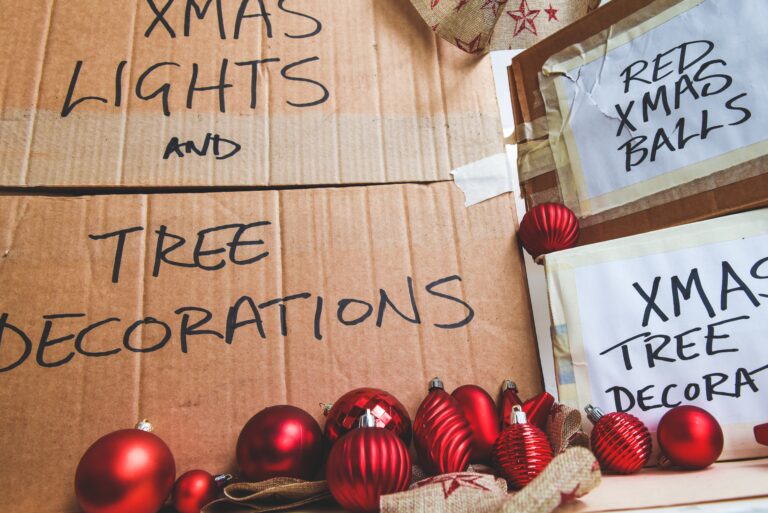
- boxes or plastic storage bins with broken holiday decorations
- dirty luggage
- old strollers, car seats, and baby accessories
- camping equipment that is never used
- firewood (which should not be stored in the garage)
Clearing out space in the garage will make actually parking your car(s) inside so much easier. We hope these tips will help you take a look at different areas to make room for things you use regularly. Watch this space for more rooms in your house to continue your decluttering journey in 2026.