Once upon a time, there were two identical luxury properties with the same square footage and sweeping views of Central Park. One apartment languished in “open house” limbo for months; the other sold in a week for 10% over asking. Why the dramatic difference?
Not renovations, not building amenities, not market timing, not even negotiating finesse. The second property sold quicker and for more money because it told a better story.
A cluttered, over-staged home doesn’t just look messy, it looks desperate. It signals to a buyer that the seller may be hiding something: poor layout, deferred maintenance, minimal storage.
Decluttering is not just a cleaning chore. It is editing your belongings to increase the value of what remains. Because how do we want to spend our time? Navigating our stuff and the stagnant past energy it anchors in our living spaces? Or enjoying our lives to the fullest?
Let’s apply similar questions to an imagined buyer with millions to spend on a new home. How likely are they to take the time imagining narrative possibilities in a disorganized, crowded space? They want to know exactly how the story ends now. Too many personal items and outdated furniture pieces create confusion as buyers are forced to subtract those items from their vision of their future in the home. That mental friction in turn subtracts dollars from their offer.
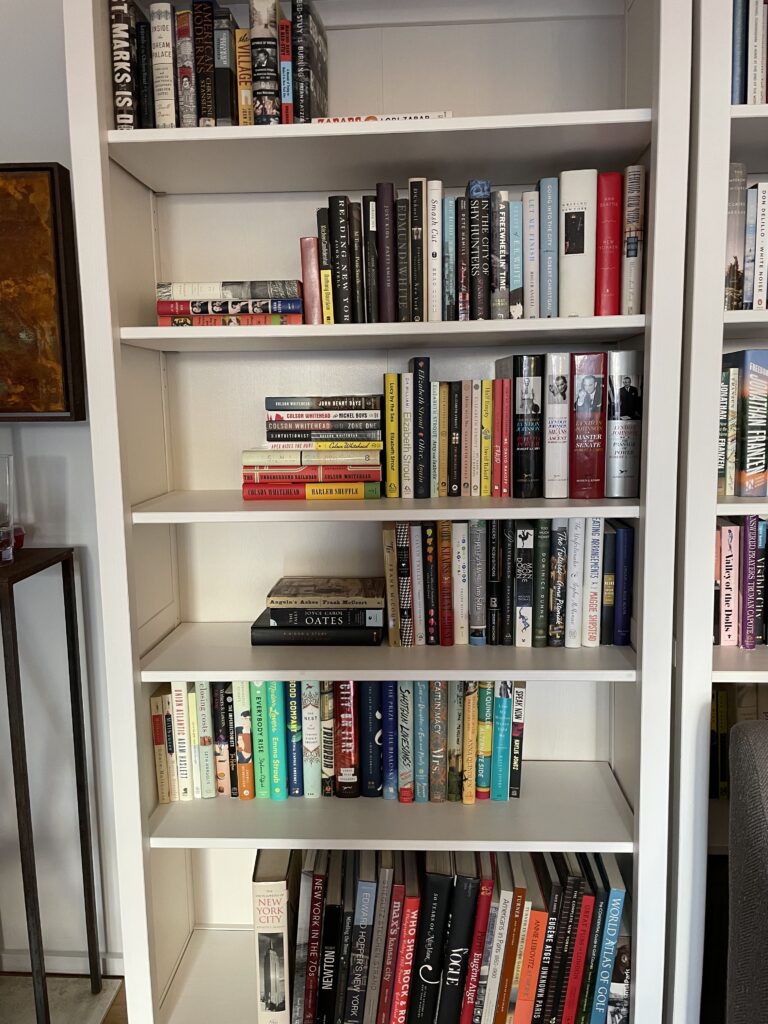
A thoughtfully edited space does the work for them and puts dollars back on the offer table. Curation shows off a home in the best light, highlighting regular maintenance and care while offering decisive solutions for how to best make use of the existing layout. A clear-eyed, excited buyer can easily see themselves as a character in the story of their potential new home.
Decluttering is not just moving stuff around or hiding it away until the ink is dry. It is letting things go. It is recognizing that love and memory live more in our relationships with people, not objects. Consider how a museum shows off its treasures. Gallery walls and glass cases are not crowded to their edges with artwork. Individual pieces are given space to breathe, with their own dedicated lighting. There are few creative outings more soothing than a slow and considered walk through a quiet, curated gallery.
So how does this apply practically to a home layout?
In your bedrooms, refine and organize the contents of overflowing closets and stow personal items like medications and dog-eared nightstand reading. For bathrooms, remove personal items like toothbrushes, razors, and children’s toys. Clean piles of paper, secondary monitors, and personal awards off of home office desktops and – be honest – the floor. In the kitchen, remove magnets and children’s artwork from the fridge and reduce countertop clutter to open up the surface area.
We see it over and over again as New York real estate continues to evolve: the resulting value of this editing process lies in potential buyers’ perception that the space is waiting for them to make it their own. Your decluttered bedroom is easier to see as their peaceful retreat at the end of a long day. Your tidy home office offers clarity for the future of their own nascent business ideas. A minimalist kitchen is the blank slate on which they’ll write their own family traditions.
A motivated seller could certainly save themselves some money by doing this work on their own. But remember: Money invested in professionals holds the potential for a return. Professional organizing, move management, and home staging for $50,000 can inspire offers that recover that investment tenfold, not to mention making a household move easier. Time spent on unguided, directionless, and ultimately ineffective decluttering is gone forever.
When you sell a property, you’re not selling drywall, square footage, or even charming historical details. You’re selling clarity and taste. A cluttered home leaves money on the table. An edited home inspires buyers to close.
Which one do you want to list?
—